UK teacher pay rise 2026: what schools need to know
Written by The MagicBooking Team | Jul 21, 2026
5 min readOn 1 July 2026, the government confirmed a 3.5% teacher pay rise from September 2026, followed by a further 3% from September 2027. Teacher pay in the UK will rise to an average of over £52,800 this September and over £54,400 the year after.
Teachers deserve fair and competitive pay – and this award, part of a multi-year settlement, is a genuine step forward for recruitment and retention.
The challenge for school leaders, school business managers, and club operators is that the award is only partially funded by central government, which means budgets will need to work harder than ever this autumn.
Looking for ways to make your budget work harder this year? Book a free MagicBooking demo and see how much time and money your school or club could save.
Fancy skipping the read? Get in touch for tailored advice on how we can help you.

What is the 2026 UK teacher pay award?
The School Teachers’ Review Body (STRB) made its first multi-year recommendation on teacher pay, and the Education Secretary accepted it in full on 1 July 2026. The deal gives schools and teachers greater certainty over UK teacher pay for the next two years.
Key facts:
- 3.5% teacher pay rise from 1 September 2026 – applies to all teachers and leaders on the main and upper pay scales
- 3% teacher pay rise from September 2027
- Teachers on the unqualified pay scale receive a larger 5% increase at the bottom of the scale
- The cumulative rise in teachers pay since the 2024 general election reaches 17% – equating to almost £7,900 over four years
- The deal covers maintained schools directly. Most academies follow the statutory arrangements in practice, and the Children’s Wellbeing and Schools Act will require all academies to follow the STPCD from September 2027
“Our brilliant school and college teachers go above and beyond every day, and I’m determined that dedication is not just recognised, but rewarded.” – Bridget Phillipson, Education Secretary, 1 July 2026
As Schools Week reports, the multi-year format was designed specifically to help schools plan budgets with greater confidence – something school finance leads have long called for.

What will teachers earn from September 2026?
Teacher salary figures across the UK teacher pay scale will increase at every level. The teacher pay scales – set out in the School Teachers’ Pay and Conditions Document (STPCD), to be published in mid-October 2026 – cover three main scales:
- Main Pay Scale (M1–M6): Starting teacher pay through to mid-career rate for qualified teachers. The average wage for teachers at this level rises in line with the 3.5% award.
- Upper Pay Scale (U1–U3): For experienced teachers who have progressed beyond M6. Teacher wages at this level also increase by 3.5%.
- Leadership Pay Scale: For headteachers, deputy heads, and assistant headteachers.
The headline teacher salary figures from September 2026 are:
| September 2026 | September 2027 | |
|---|---|---|
| Pay award | 3.5% | 3% |
| Average teacher salary | Over £52,800 | Over £54,400 |
| Government additional funding | £700m | £1.1bn |
| Schools expected to find | First 1% from existing budgets | First 1% from existing budgets |
| Cumulative rise since 2024 election | 17% | ~19% |
Source: DfE, 1 July 2026
The teacher pay rate will be backdated to 1 September 2026. Teachers can use the DfE teacher pay calculator to estimate their individual change.
Starting teacher pay across the UK also rises, with the minimum of the unqualified scale increasing by 5%, a step the STRB said was needed to improve the competitiveness of teaching as a career.

Is the teacher pay rise fully funded?
This is the question every school business manager and headteacher is asking.
The honest answer is: not entirely.
The government will provide:
- £700 million in additional funding from September 2026 to March 2027
- £1.1 billion for the full 2027–28 financial year
- A total of £1.8 billion over two years – on top of existing spending review commitments
However, schools – like the rest of the public sector – are expected to find the first 1% of each award from their existing budgets. The DfE describes this as “maximising value from budgets.”
The National Education Union (NEU) has estimated that this leaves schools needing to find around £460 million from their own budgets to cover teacher wages and the support staff pay offer (3.3%, backdated to April 2026).
Support staff are employed on separate National Joint Council (NJC) pay conditions. The new School Support Staff Negotiating Body (SSSNB) is expected to be established this autumn to give support staff a stronger voice on pay, terms, and career progression.
The DfE’s Maximising Value for Pupils programme aims to help schools find savings – for example, through better energy contracts (saving a typical primary school £4,900 a year) and capped supply teacher framework costs.
Planning for 2026–27? Read our guide to budget planning and forecasting for UK schools and clubs for practical steps to prepare.
What does this mean for school and club budgets?
Teacher salaries make up the largest single cost in any school budget. A partially funded 3.5% increase means school leaders and SBMs will face some difficult decisions this autumn, even as they celebrate a genuinely deserved rise for their staff.
For schools and academy trusts:
- Purchasing decisions will face closer scrutiny. Every new commitment needs to show a clear return – time saved, outcomes improved, or processes simplified.
- Schools running paid provisions – breakfast clubs, wraparound care, after-school clubs, and holiday activities – have a real opportunity to generate additional income that helps offset rising teacher wages and support staff costs.
- The new school profiles linked to the DfE enrichment framework mean that a visible and active enrichment offer can also support pupil recruitment and reputation, both of which affect funding.
For clubs and activity providers working with schools:
- Schools are investing – but they are asking harder questions before they commit. Your proposal needs to speak directly to value: time saved for staff, clear outcomes for pupils, and simple administration for the school.
- Providers that reduce admin burden, offer easy parent booking, and handle payments reliably are far more attractive partners in a tighter budget environment.
- If your provision supports the DfE enrichment framework, make that case explicitly. Schools need partners that help them meet Ofsted benchmarks, not add to their workload.
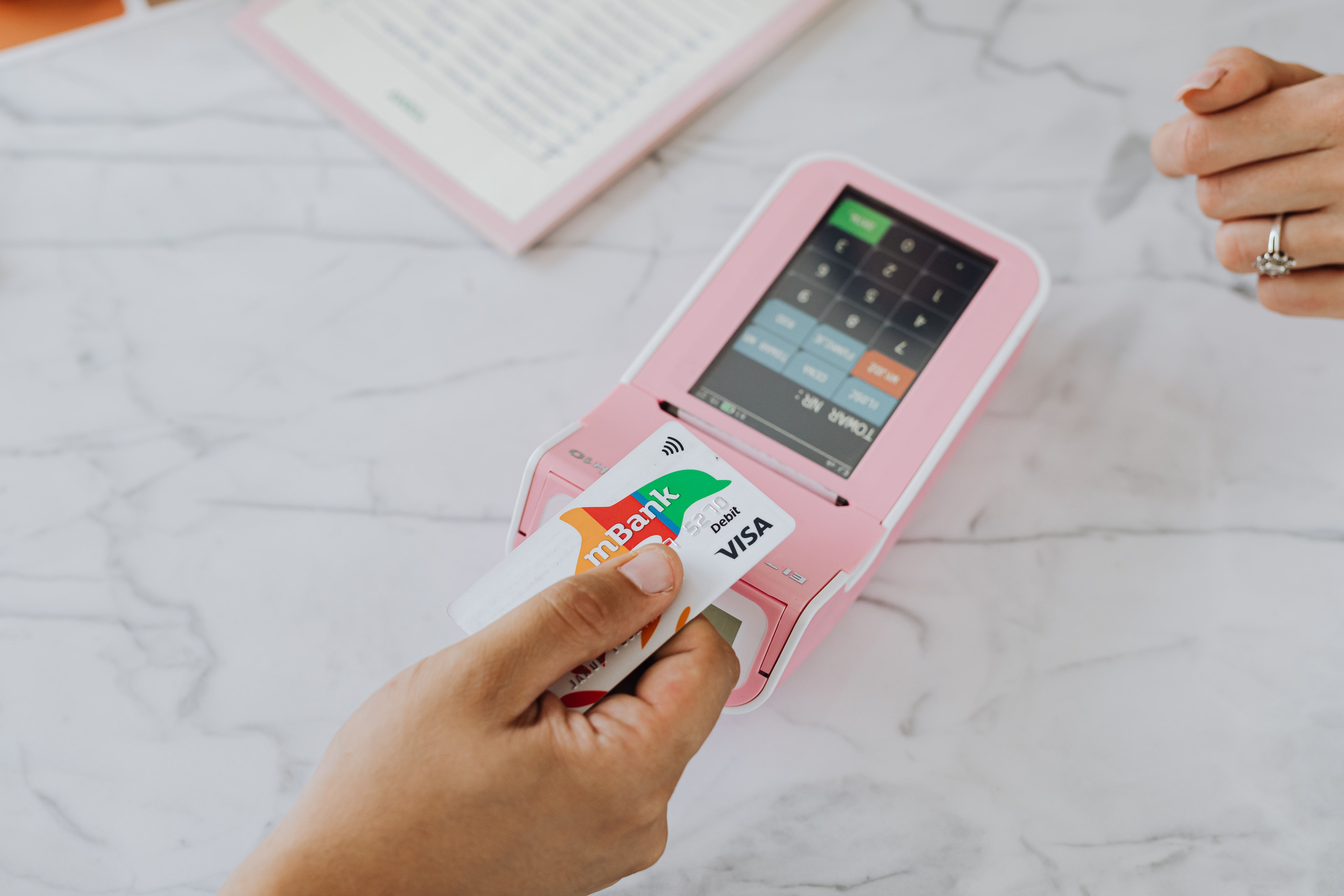
How to make your school or club budget work harder this year
The DfE is asking schools to find savings through smarter spending – not cuts to teaching or provision. Here is a practical place to start.
Help your staff do more without working longer
School and club staff already carry a heavy load. The goal is not to reduce your team – it is to take the repetitive, time-consuming tasks off their plates so they can focus on the work that genuinely needs a person.
Schools and clubs using MagicBooking can save an average of £14,000 per year and 1,224 hours of administration time annually by automating bookings, payments, registers, and parent communications. That is the equivalent of over 30 working weeks given back to your staff every year – time that goes into children and families, not paperwork.
For any school running a paid provision alongside its core budget, a reliable school booking system and school management system pays for itself quickly in staff time alone.
Improve cash flow from your provision
Late and missed payments are a hidden drain on school and club finances. An automated payments platform with direct debit, online card payments, Tax-Free Childcare integration, and built-in payment plans makes income collection consistent and predictable.
Over 80% of MagicBooking clients report improved cash flow, and 8 in 10 say they get paid faster than before.
Grow your wraparound and holiday income
Schools with strong wraparound care and holiday provision can generate meaningful additional revenue that offsets pressure from rising teacher pay salary costs. See our guide: how to increase your school’s revenue through wraparound care.
Is your school or club looking for ways to reduce costs and work more efficiently this year?
MagicBooking is a school booking system and school management platform used by over 2,000 schools and clubs across the UK to manage bookings, payments, registers, and parent communications, all in one place. Book a free demo to see how much time and money you could save.

Teacher pay 2026: what this means for your school or club this autumn
Teacher pay going up is genuinely good news – for teachers, for the profession, and for the children they teach. The practical challenge for school leaders, SBMs, and club operators is navigating a partially funded award in a budget environment that was already tight.
Schools and clubs that use a school booking system and management platform to automate admin, collect payments reliably, and manage provision efficiently are better placed to absorb cost pressures without cutting services. MagicBooking helps over 2,000 schools and clubs across the UK do exactly that, saving an average of £14,000 per year and more than 1,200 hours of staff time. Three in four clients call it a game-changer for their organisation.
In a year where every pound matters, small operational improvements make a real difference.
Book a free demo to find out how much time and money your school or club could save with MagicBooking.

Frequently asked questions
What is the teacher pay scale in the UK for 2026-27?
The UK teacher pay scale – set out in the School Teachers’ Pay and Conditions Document (STPCD) – covers three main ranges: the Main Pay Scale (M1–M6) for qualified teachers, the Upper Pay Scale (U1–U3) for experienced teachers, and the Leadership Pay Scale for headteachers and deputies. From September 2026, all points on the teacher pay scales increase by 3.5%. The STPCD for 2026–27 will be published in mid-October 2026 and backdated to 1 September. Teachers can use the DfE teacher pay calculator to see their updated rate.
How much does a teacher get paid in the UK?
The average teacher salary in the UK rises to over £52,800 from September 2026, and over £54,400 from September 2027. Average pay for teachers has increased by around £7,900 over four years since the 2024 general election – a cumulative rise of 17%. Starting teacher pay in the UK begins at the bottom of the Main Pay Scale, with the exact figure confirmed in the STPCD each year. Teachers starting pay UK-wide also rises under the 2026 award.
Is the 2026 teacher pay rise fully funded by the government?
No – not fully. The government is providing £700 million in extra funding for 2026–27 and £1.1 billion for 2027–28, but schools are expected to find the first 1% of each award from their existing budgets. The NEU estimates this leaves schools needing to find around £460 million in total from their own resources. The DfE’s Maximising Value for Pupils programme offers practical support to help schools find savings.
Do teachers get holiday pay?
Yes. Teachers in UK state schools receive an annual salary paid over 12 months – they do not receive separate holiday pay on top of their salary. Teacher wages are structured so that pay is spread across the full year, including school holidays. This applies to both maintained school teachers and most academy teachers. It is different from sessional or term-time workers, who may be paid only for the weeks they work.
What are teacher pay scales for September 2026?
From September 2026, all teacher pay scales increase by 3.5% following the STRB’s multi-year recommendation. Average teacher wages rise to over £52,800. Teachers on the unqualified pay scale see a larger increase of 5% at the bottom of their scale. The full updated teacher pay scales will be confirmed in the STPCD, published mid-October 2026 and backdated to 1 September. A further 3% rise follows in September 2027 under the same multi-year deal.